
Surface Course
Surface Course - Following are the different components of road structure: Hma temporary pavement usually consists of two items: Wearing course, also known as a friction course or surface course, is the upper layer in roadway, airfield, and dockyard construction. The surface course (made of pcc) is the stiffest (as measured by resilient modulus) and provides the majority of strength. Selection of proper ingredient materials, including slag. It can be used as a surface course in various types of roads, pavements and. Typically 2 (required when in place for more than one. Advance your careerlearn at your own paceenhance your resumepause & restart anytime Since its founding in 1920, the green section has led the usga’s. Bituminous pavements are constructed in different layers such as base course, binder course and surface course. Hma temporary pavement usually consists of two items: Some new options can help reduce worm activity near the surface in areas where they are most disruptive. A pavement structure consisting of hma surface course overlaying a portland cement concrete (pcc) or roller compacted concrete (rcc) slab of relatively high bending resistance which. Surface course or wearing course. These layers are made of different materials and provides different functions. Bituminous pavements are constructed in different layers such as base course, binder course and surface course. Selection of proper ingredient materials, including slag. All these components belong to a typical flexible pavement, whereas rigid pavement usually. Following are the different components of road structure: The underlying layers are orders of magnitude less stiff but still make. Each layer plays a critical role in. Asphalt surface course refers to an aggregate, sand, and asphalt cement mixture used as the final surface course placed in a lift (often above the intermediate asphalt pavement course), in. This work shall consist of furnishing and placing o ne. Some new options can help reduce worm activity near the surface in areas. Typically 2 (required when in place for more than one. The underlying layers are orders of magnitude less stiff but still make. It can be used as a surface course in various types of roads, pavements and. Find out the specifications, materials,. Risk free learning30m+ students enrolledlearn on your schedulesave up to 90%! Some new options can help reduce worm activity near the surface in areas where they are most disruptive. These layers are made of different materials and provides different functions. The top layer exposed to traffic, designed for durability, skid resistance, and water percolation minimization. Learn about the composition, functions, and construction of flexible pavement layers, including the surface course, the. Risk free learning30m+ students enrolledlearn on your schedulesave up to 90%! This work shall consist of furnishing and placing o ne. A pavement structure consisting of hma surface course overlaying a portland cement concrete (pcc) or roller compacted concrete (rcc) slab of relatively high bending resistance which. Since its founding in 1920, the green section has led the usga’s. Hma. Some new options can help reduce worm activity near the surface in areas where they are most disruptive. Learn about the composition, functions, and construction of flexible pavement layers, including the surface course, the topmost layer that resists wear and enhances skid. Following are the different components of road structure: Selection of proper ingredient materials, including slag. These layers are. Learn about the composition, functions, and construction of flexible pavement layers, including the surface course, the topmost layer that resists wear and enhances skid. A pavement structure consisting of hma surface course overlaying a portland cement concrete (pcc) or roller compacted concrete (rcc) slab of relatively high bending resistance which. Risk free learning30m+ students enrolledlearn on your schedulesave up to. Hma temporary pavement usually consists of two items: Asphalt surface course refers to an aggregate, sand, and asphalt cement mixture used as the final surface course placed in a lift (often above the intermediate asphalt pavement course), in. Risk free learning30m+ students enrolledlearn on your schedulesave up to 90%! Advance your careerlearn at your own paceenhance your resumepause & restart. Surface course or wearing course. These layers are made of different materials and provides different functions. Bituminous pavements are constructed in different layers such as base course, binder course and surface course. Risk free learning30m+ students enrolledlearn on your schedulesave up to 90%! Find out the specifications, materials,. Typically 2 (required when in place for more than one. It can be used as a surface course in various types of roads, pavements and. Selection of proper ingredient materials, including slag. These layers are made of different materials and provides different functions. In summary, the binder course asphalt acts as a foundation layer, providing strength and stability to the. All these components belong to a typical flexible pavement, whereas rigid pavement usually. Bituminous pavements are constructed in different layers such as base course, binder course and surface course. It can be used as a surface course in various types of roads, pavements and. Selection of proper ingredient materials, including slag. Learn about the types, functions, and materials of wearing. Wearing course, also known as a friction course or surface course, is the upper layer in roadway, airfield, and dockyard construction. In summary, the binder course asphalt acts as a foundation layer, providing strength and stability to the road, while the topcoat of asphalt serves as the final wearing surface, offering a smooth. Bituminous pavements are constructed in different layers such as base course, binder course and surface course. The top layer exposed to traffic, designed for durability, skid resistance, and water percolation minimization. Typically 2 (required when in place for more than one. Asphalt surface course refers to an aggregate, sand, and asphalt cement mixture used as the final surface course placed in a lift (often above the intermediate asphalt pavement course), in. The underlying layers are orders of magnitude less stiff but still make. Selection of proper ingredient materials, including slag. All these components belong to a typical flexible pavement, whereas rigid pavement usually. Advance your careerlearn at your own paceenhance your resumepause & restart anytime These layers are made of different materials and provides different functions. Risk free learning30m+ students enrolledlearn on your schedulesave up to 90%! Each layer plays a critical role in. The surface course (made of pcc) is the stiffest (as measured by resilient modulus) and provides the majority of strength. Find out the specifications, materials,. Since its founding in 1920, the green section has led the usga’s.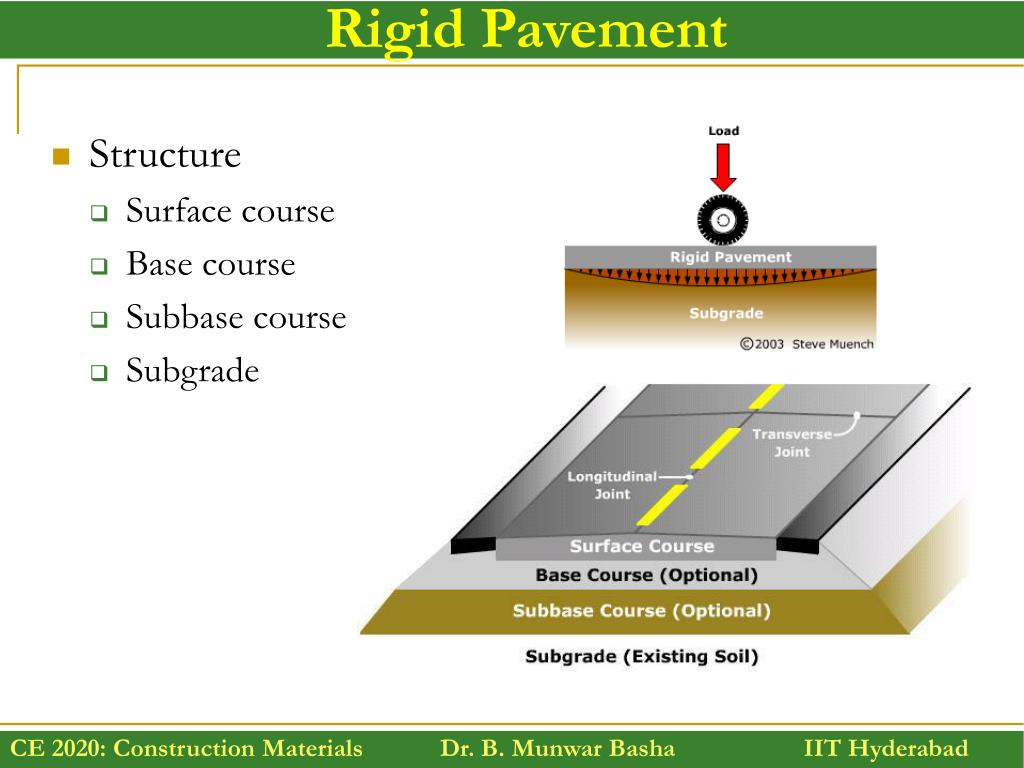
PPT Pavement Types PowerPoint Presentation, free download ID1634873
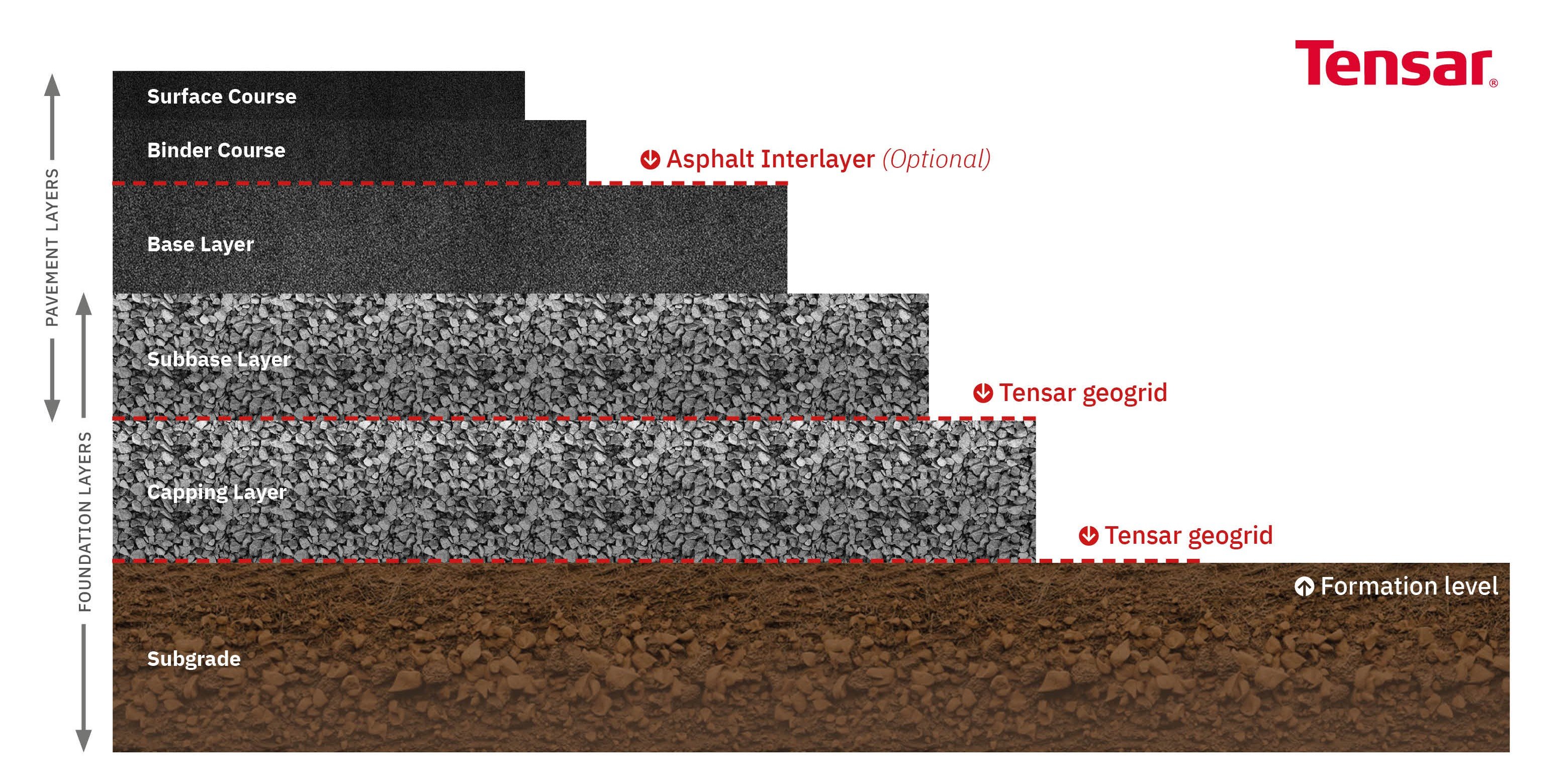
What are the functions of layers in a flexible pavement?
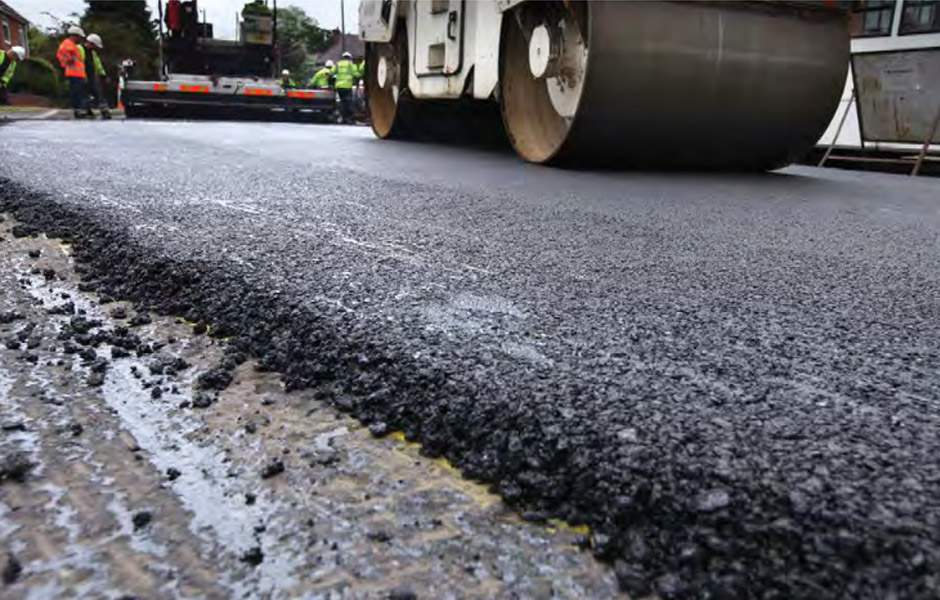
Limestone Surface Course Newlay Asphalt
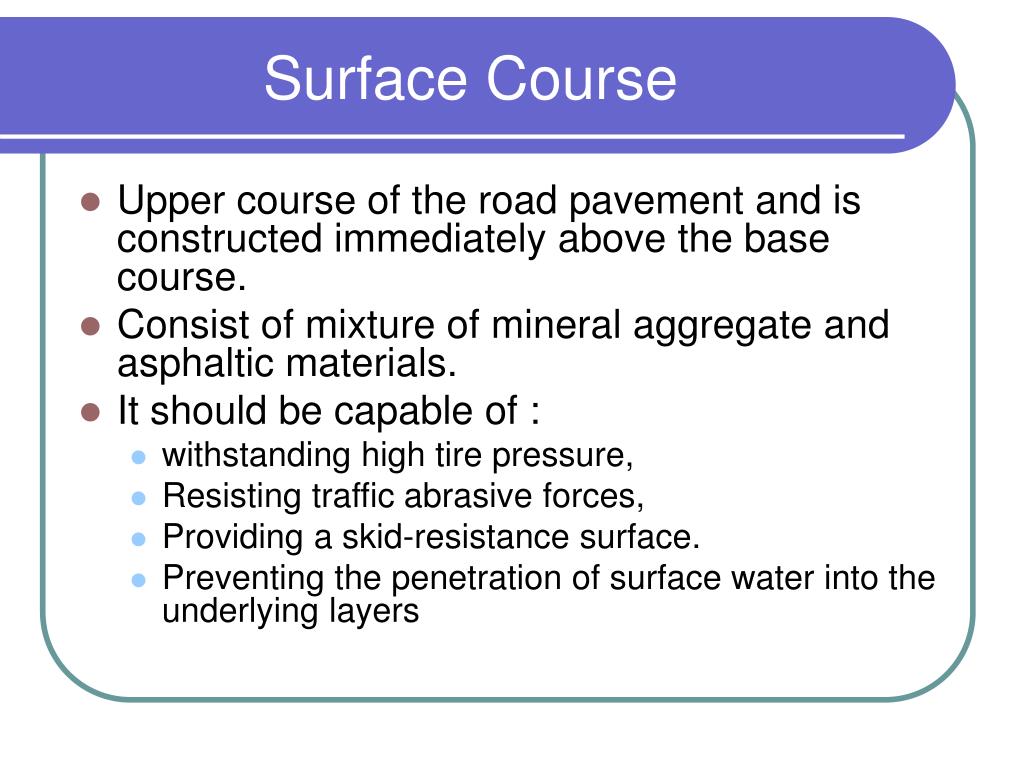
PPT Bases, Subbases, & Low Cost Surfaces PowerPoint Presentation ID
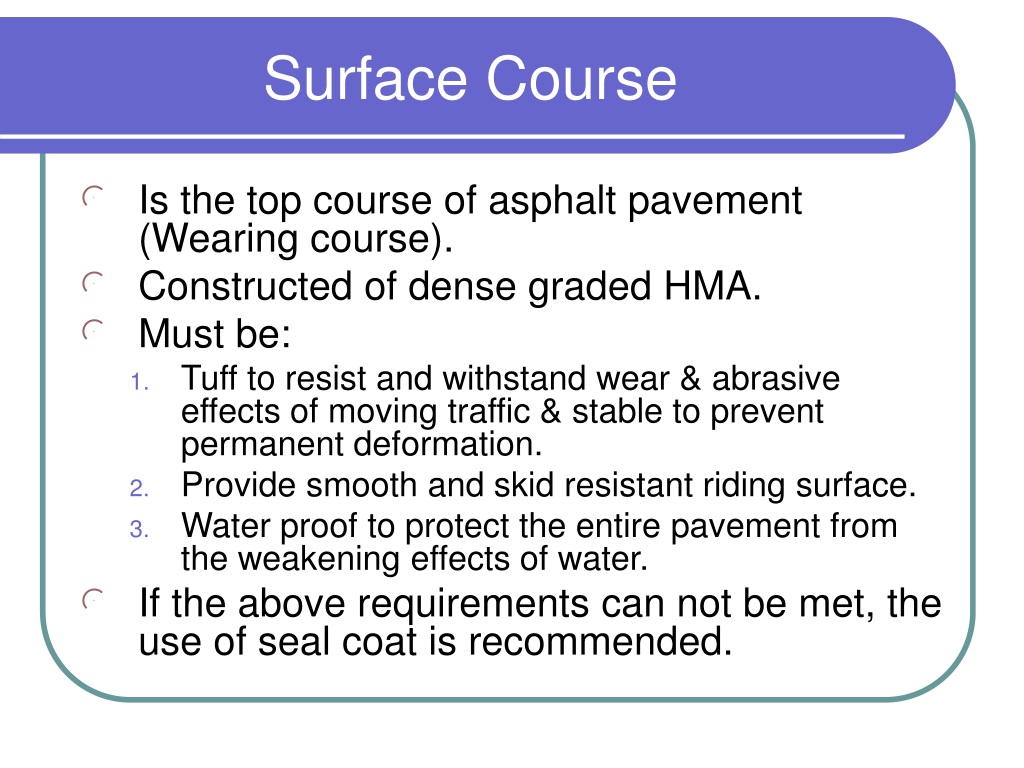
PPT Flexible Pavement Design PowerPoint Presentation, free download
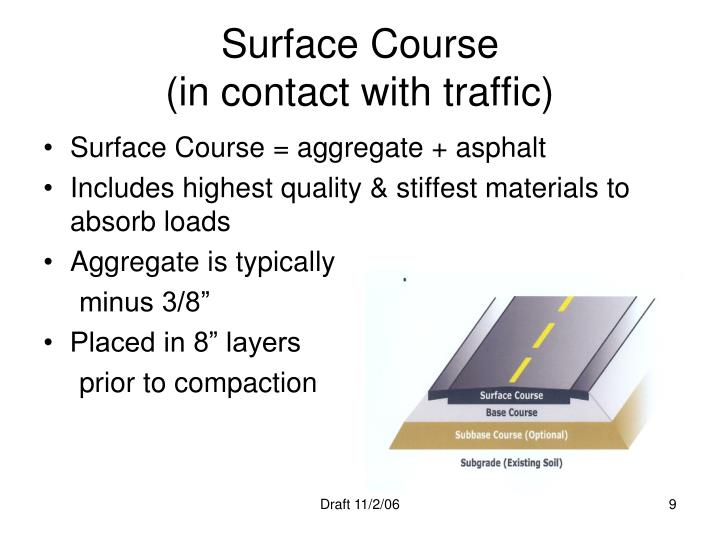
PPT PAVEMENT DESIGN for DUMMIES PowerPoint Presentation ID280221
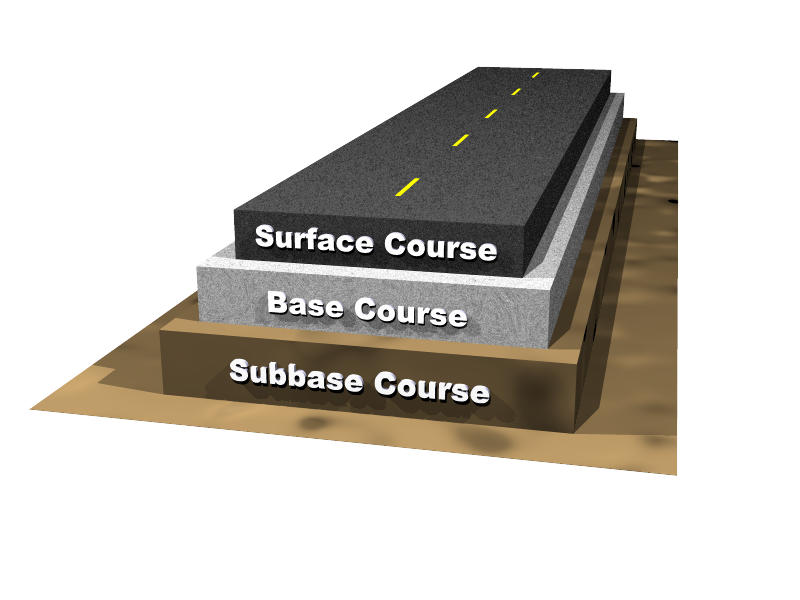
HMA Pavement Pavement Interactive

4 Stage Road Construction Procedure Easy Step by Step Guide
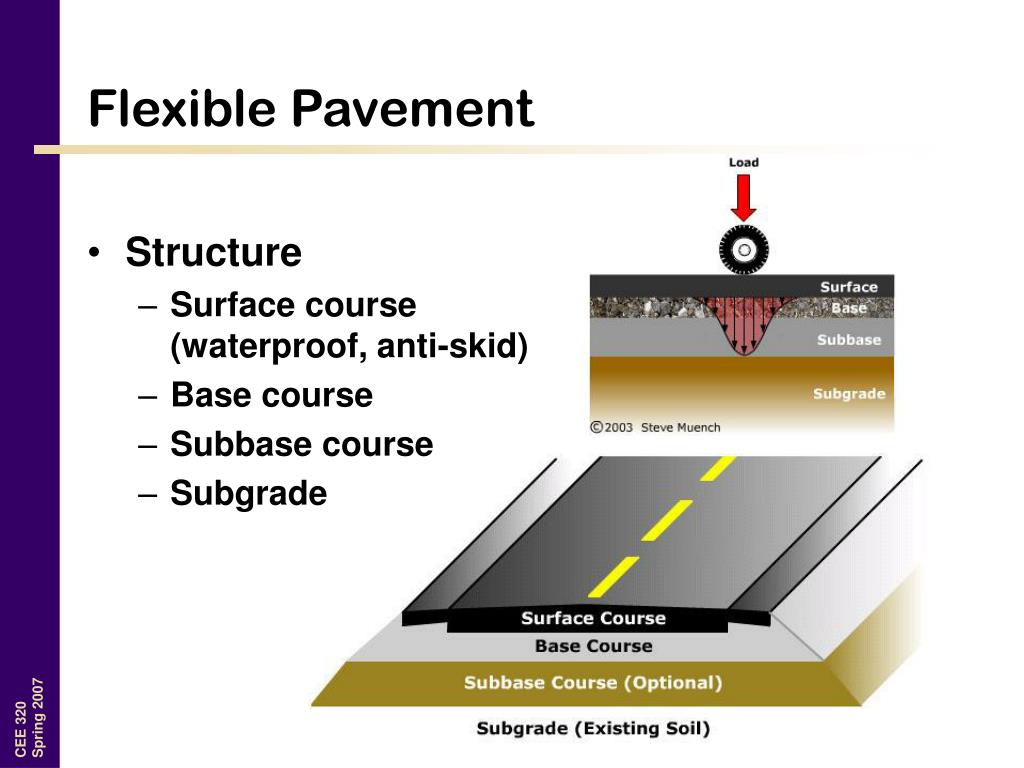
PPT Pavement Design PowerPoint Presentation, free download ID155019
PPT Pavement Types PowerPoint Presentation, free download ID333287
Hma Temporary Pavement Usually Consists Of Two Items:
A Pavement Structure Consisting Of Hma Surface Course Overlaying A Portland Cement Concrete (Pcc) Or Roller Compacted Concrete (Rcc) Slab Of Relatively High Bending Resistance Which.
Learn About The Types, Functions, And Materials Of Wearing.
This Work Shall Consist Of Furnishing And Placing O Ne.
Related Post: