
Of Course No Problem
Of Course No Problem - Whether you need both formal and. The next time someone thanks you, consider using one of these expressions instead of falling back on the familiar “no problem.” each phrase carries its own flavor, allowing. To younger generations, no problem or of course sound more welcoming and humble, when older generations may see it as dismissive or, yeah, sarcastic. I use no problem more than i use of course 3. That's just how language goes,. I think no problem is slightly less informal because. 'of course no' could be considered correct, but awkward in normal everyday american english. The phrase of course no worries is grammatically correct and is commonly used in spoken and written english. “of course” is like saying that they are happy to help! This is another formal way to say “yes, no problem.” by all means: If you’re looking for the perfect way to express “of course, no problem” in various situations, this comprehensive guide is here to assist you. Sure thing, absolutely, certainly, no worries, definitely I use no problem more than i use of course 3. 'of course no' could be considered correct, but awkward in normal everyday american english. Of course no problem definition: “of course” “of course” can be used in both formal and informal contexts. These are basic meanings, but i hope it helped!|@nina20312 they’re different ways of saying you’re welcome! Yes, of course is commonly used in a daily conversation as a response to thank you 2. You can use this phrase when someone has requested something of you and you are conveying that you are. I would like to say of course, no problem, without resorting to the usual pas de. 'of course no' could be considered correct, but awkward in normal everyday american english. “of course” “of course” can be used in both formal and informal contexts. Of course no problem definition: This indicates that you’re happy to help. The most common, usual phrase is, 'of course not.' it implies 'clearly not',. These are basic meanings, but i hope it helped!|@nina20312 they’re different ways of saying you’re welcome! It is a casual and informal way of saying don't worry, it's not a problem or. Expressing agreement or affirmation that there is no issue or difficulty. This is another formal way to say “yes, no problem.” by all means: The only way it. The only way it could be impolite in response to a permissions request is. To younger generations, no problem or of course sound more welcoming and humble, when older generations may see it as dismissive or, yeah, sarcastic. These are basic meanings, but i hope it helped!|@nina20312 they’re different ways of saying you’re welcome! I would like to say of. Whether you need both formal and. The phrase of course no problem is correct and usable in written english. It is a casual and informal way of saying don't worry, it's not a problem or. I would like to say of course, no problem, without resorting to the usual pas de. To younger generations, no problem or of course sound. You can use this phrase when someone has requested something of you and you are conveying that you are. 'of course no' could be considered correct, but awkward in normal everyday american english. This indicates that you’re happy to help. It has a slightly more confident tone than “no problem” and conveys that helping the other person. Somebody has changed. “of course” “of course” can be used in both formal and informal contexts. I would like to say of course, no problem, without resorting to the usual pas de. Expressing agreement or affirmation that there is no issue or difficulty. 'of course no' could be considered correct, but awkward in normal everyday american english. This is a more emphatic way. The phrase of course no problem is correct and usable in written english. Whether you need both formal and. Sure thing, absolutely, certainly, no worries, definitely The phrase of course no worries is grammatically correct and is commonly used in spoken and written english. Yes, of course is commonly used in a daily conversation as a response to thank you. The only way it could be impolite in response to a permissions request is. This indicates that you’re happy to help. The most common, usual phrase is, 'of course not.' it implies 'clearly not',. I would like to say of course, no problem, without resorting to the usual pas de. Expressing agreement or affirmation that there is no issue or. The phrase of course no problem is correct and usable in written english. I would like to say of course, no problem, without resorting to the usual pas de. This is another formal way to say “yes, no problem.” by all means: This indicates that you’re happy to help. You can use this phrase when someone has requested something of. These are basic meanings, but i hope it helped!|@nina20312 they’re different ways of saying you’re welcome! That's just how language goes,. “of course” “of course” can be used in both formal and informal contexts. The phrase of course no worries is grammatically correct and is commonly used in spoken and written english. The next time someone thanks you, consider using. The most common, usual phrase is, 'of course not.' it implies 'clearly not',. The phrase of course no problem is correct and usable in written english. Sure thing, absolutely, certainly, no worries, definitely This is another formal way to say “yes, no problem.” by all means: Of course no problem definition: That's just how language goes,. It is a casual and informal way of saying don't worry, it's not a problem or. This indicates that you’re happy to help. 'of course no' could be considered correct, but awkward in normal everyday american english. I would like to say of course, no problem, without resorting to the usual pas de. Whether you need both formal and. If you’re looking for the perfect way to express “of course, no problem” in various situations, this comprehensive guide is here to assist you. To younger generations, no problem or of course sound more welcoming and humble, when older generations may see it as dismissive or, yeah, sarcastic. Yes, of course is commonly used in a daily conversation as a response to thank you 2. You can use this phrase when someone has requested something of you and you are conveying that you are. This is a more emphatic way to say “of course.” with pleasure: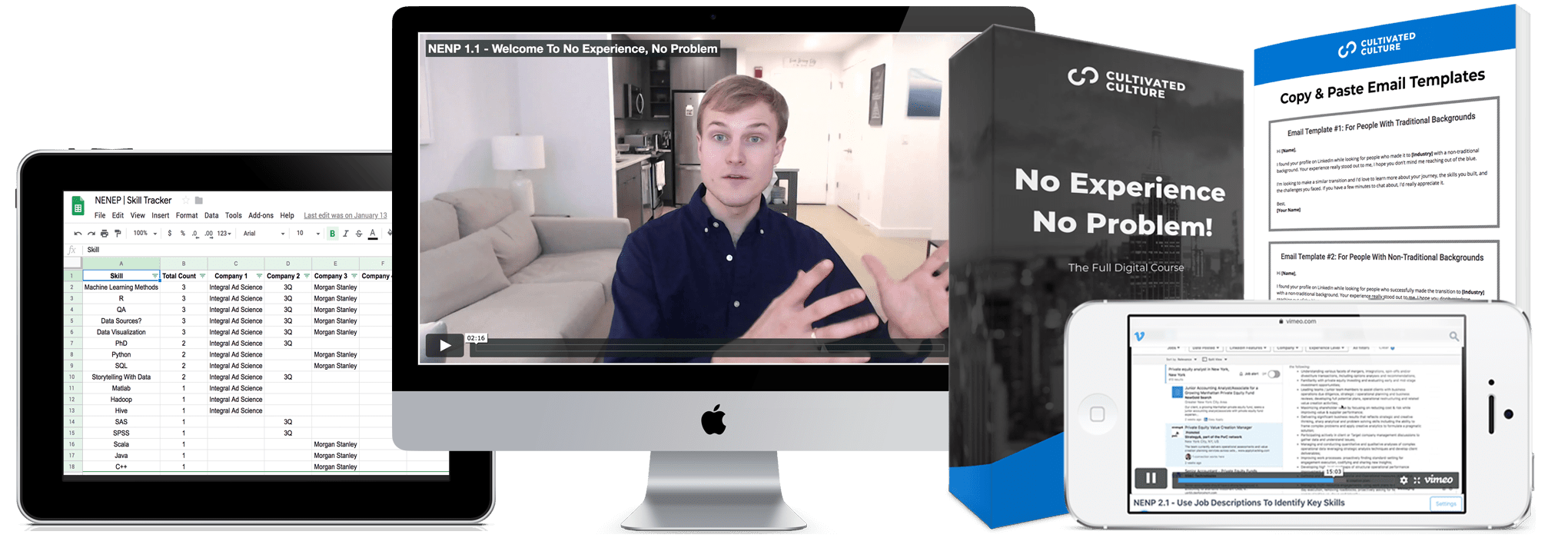
No Experience, No Problem Thank You Cultivated Culture

Meme "No problem!" All Templates

Meme "Of course" All Templates
OKOK OK Of course no problem Digital Art by Sakura Yama Fine Art America

Ways to Say “Of Course” in Spanish Strømmen Language Classes
No Problem Gif IceGif

Meme "Of course Of course, of course" All Templates
No Worries No Prob Qoobee GIF

how to say "yes of course, no problem" in 🇺🇸 🇬🇧 🇦🇺 🇰🇷 🇨🇳 🇵🇭 🇸🇬 YouTube

praxianprowl on Tumblr
Expressing Agreement Or Affirmation That There Is No Issue Or Difficulty.
It Has A Slightly More Confident Tone Than “No Problem” And Conveys That Helping The Other Person.
“Of Course” “Of Course” Can Be Used In Both Formal And Informal Contexts.
The Only Way It Could Be Impolite In Response To A Permissions Request Is.
Related Post: