Elevator Inspector Course
Elevator Inspector Course - Elevator inspectors examine a variety of lifting and conveying equipment including elevators, moving sidewalks, escalators, hoists and lifts, amusement rides, and inclined railways. The purpose of the qualified elevator inspector certification is to ensure that inspectors have the skills, knowledge, and education to safeguard the public by confirming elevators, escalators, and other conveyances are code compliant and operating safely. Providing qei certification (qualified elevator inspector) training and testing join naesa! Or (c) 60 credits as described in “3” above; The qei test is a certification exam that elevator inspectors must pass to demonstrate their expertise in elevator safety regulations, inspection procedures, and industry standards. They make sure the equipment is installed properly and functioning effectively and safely. How to secure a job as an elevator inspector. Discover how iuec elevator mechanics & other eligible elevator technicians can become qualified as elevator inspectors through qeitf’s qualified elevator inspector program. The education that can aid your journey. Validate your expertise with naec’s recognized certification programs for cet, cat, and qei (qualified elevator inspector). (a) two years of experience as described in “1” above; Through the qualified elevator inspector training fund (qeitf)’s certified elevator inspector (cei) program, mechanics in the united states and canada can become qualified as elevator inspectors or elevator inspector supervisors. Enroll in cdg's certified elevator inspector course to enhance your skills and knowledge in elevator safety and inspection. The qei test is a certification exam that elevator inspectors must pass to demonstrate their expertise in elevator safety regulations, inspection procedures, and industry standards. Completion of an apprentice program, a minimum of three years in length, in the maintenance elevator mechanic trade or elevator inspection and one of the following: They make sure the equipment is installed properly and functioning effectively and safely. Discover how iuec elevator mechanics & other eligible elevator technicians can become qualified as elevator inspectors through qeitf’s qualified elevator inspector program. How to secure a job as an elevator inspector. Through the qualified elevator inspector training fund (qeitf)’s certified elevator inspector (cei) and certified elevator inspector supervisor (ceis) certification programs, experienced elevator mechanics learn the ins and outs of understanding, navigating, and interpreting the asme, nec, and other codes required to keep conveyance equipment. The purpose of the qualified elevator inspector certification is to ensure that inspectors have the skills, knowledge, and education to safeguard the public by confirming elevators, escalators, and other conveyances are code compliant and operating safely. The qei test is a certification exam that elevator inspectors must pass to demonstrate their expertise in elevator safety regulations, inspection procedures, and industry standards. Learn about training, certification, and job opportunities in the elevator inspection industry. Elevator inspectors examine a variety of lifting and conveying equipment including elevators, moving sidewalks, escalators, hoists and lifts, amusement rides, and inclined railways.. Discover how iuec elevator mechanics & other eligible elevator technicians can become qualified as elevator inspectors through qeitf’s qualified elevator inspector program. Through the qualified elevator inspector training fund (qeitf)’s certified elevator inspector (cei) program, mechanics in the united states and canada can become qualified as elevator inspectors or elevator inspector supervisors. Providing qei certification (qualified elevator inspector) training and. (a) two years of experience as described in “1” above; Through the qualified elevator inspector training fund (qeitf)’s certified elevator inspector (cei) program, mechanics in the united states and canada can become qualified as elevator inspectors or elevator inspector supervisors. The qei test is a certification exam that elevator inspectors must pass to demonstrate their expertise in elevator safety regulations,. Through the qualified elevator inspector training fund (qeitf)’s certified elevator inspector (cei) and certified elevator inspector supervisor (ceis) certification programs, experienced elevator mechanics learn the ins and outs of understanding, navigating, and interpreting the asme, nec, and other codes required to keep conveyance equipment. (a) two years of experience as described in “1” above; Discover how iuec elevator mechanics &. Or (c) 60 credits as described in “3” above; Validate your expertise with naec’s recognized certification programs for cet, cat, and qei (qualified elevator inspector). Become a certified elevator inspector and advance your career in safety and compliance. Naesa also provides quality training on the latest elevator codes for the elevator industry as a whole. The qei test is a. They make sure the equipment is installed properly and functioning effectively and safely. (a) two years of experience as described in “1” above; The qei test is a certification exam that elevator inspectors must pass to demonstrate their expertise in elevator safety regulations, inspection procedures, and industry standards. Discover how iuec elevator mechanics & other eligible elevator technicians can become. Or (b) two years of education as described in “2” above; Learn about training, certification, and job opportunities in the elevator inspection industry. The purpose of the qualified elevator inspector certification is to ensure that inspectors have the skills, knowledge, and education to safeguard the public by confirming elevators, escalators, and other conveyances are code compliant and operating safely. Through. Discover how iuec elevator mechanics & other eligible elevator technicians can become qualified as elevator inspectors through qeitf’s qualified elevator inspector program. Or (b) two years of education as described in “2” above; Elevator inspectors examine a variety of lifting and conveying equipment including elevators, moving sidewalks, escalators, hoists and lifts, amusement rides, and inclined railways. Through the qualified elevator. Become a certified elevator inspector and advance your career in safety and compliance. Enroll in cdg's certified elevator inspector course to enhance your skills and knowledge in elevator safety and inspection. The purpose of the qualified elevator inspector certification is to ensure that inspectors have the skills, knowledge, and education to safeguard the public by confirming elevators, escalators, and other. Providing qei certification (qualified elevator inspector) training and testing join naesa! Become a certified elevator inspector and advance your career in safety and compliance. The following are the minimum criteria for naec to accept an application to become a qualified elevator inspector: Completion of an apprentice program, a minimum of three years in length, in the maintenance elevator mechanic trade. Discover how iuec elevator mechanics & other eligible elevator technicians can become qualified as elevator inspectors through qeitf’s qualified elevator inspector program. In preparation for the advanced elevator inspector training, we scan the more involved code sections, to find requirements that inspectors need to know but don't use on a regular basis. Completion of an apprentice program, a minimum of three years in length, in the maintenance elevator mechanic trade or elevator inspection and one of the following: Naesa international specializes in providing certification as an elevator inspector to qualified individuals. Validate your expertise with naec’s recognized certification programs for cet, cat, and qei (qualified elevator inspector). Through the qualified elevator inspector training fund (qeitf)’s certified elevator inspector (cei) and certified elevator inspector supervisor (ceis) certification programs, experienced elevator mechanics learn the ins and outs of understanding, navigating, and interpreting the asme, nec, and other codes required to keep conveyance equipment. The following are the minimum criteria for naec to accept an application to become a qualified elevator inspector: The purpose of the qualified elevator inspector certification is to ensure that inspectors have the skills, knowledge, and education to safeguard the public by confirming elevators, escalators, and other conveyances are code compliant and operating safely. The qei test is a certification exam that elevator inspectors must pass to demonstrate their expertise in elevator safety regulations, inspection procedures, and industry standards. The education that can aid your journey. Naesa also provides quality training on the latest elevator codes for the elevator industry as a whole. Elevator inspectors examine a variety of lifting and conveying equipment including elevators, moving sidewalks, escalators, hoists and lifts, amusement rides, and inclined railways. Through the qualified elevator inspector training fund (qeitf)’s certified elevator inspector (cei) program, mechanics in the united states and canada can become qualified as elevator inspectors or elevator inspector supervisors. Or (b) two years of education as described in “2” above; Or (c) 60 credits as described in “3” above; They make sure the equipment is installed properly and functioning effectively and safely.
Uniform Construction Code Elevator Inspector HHS Camden County College
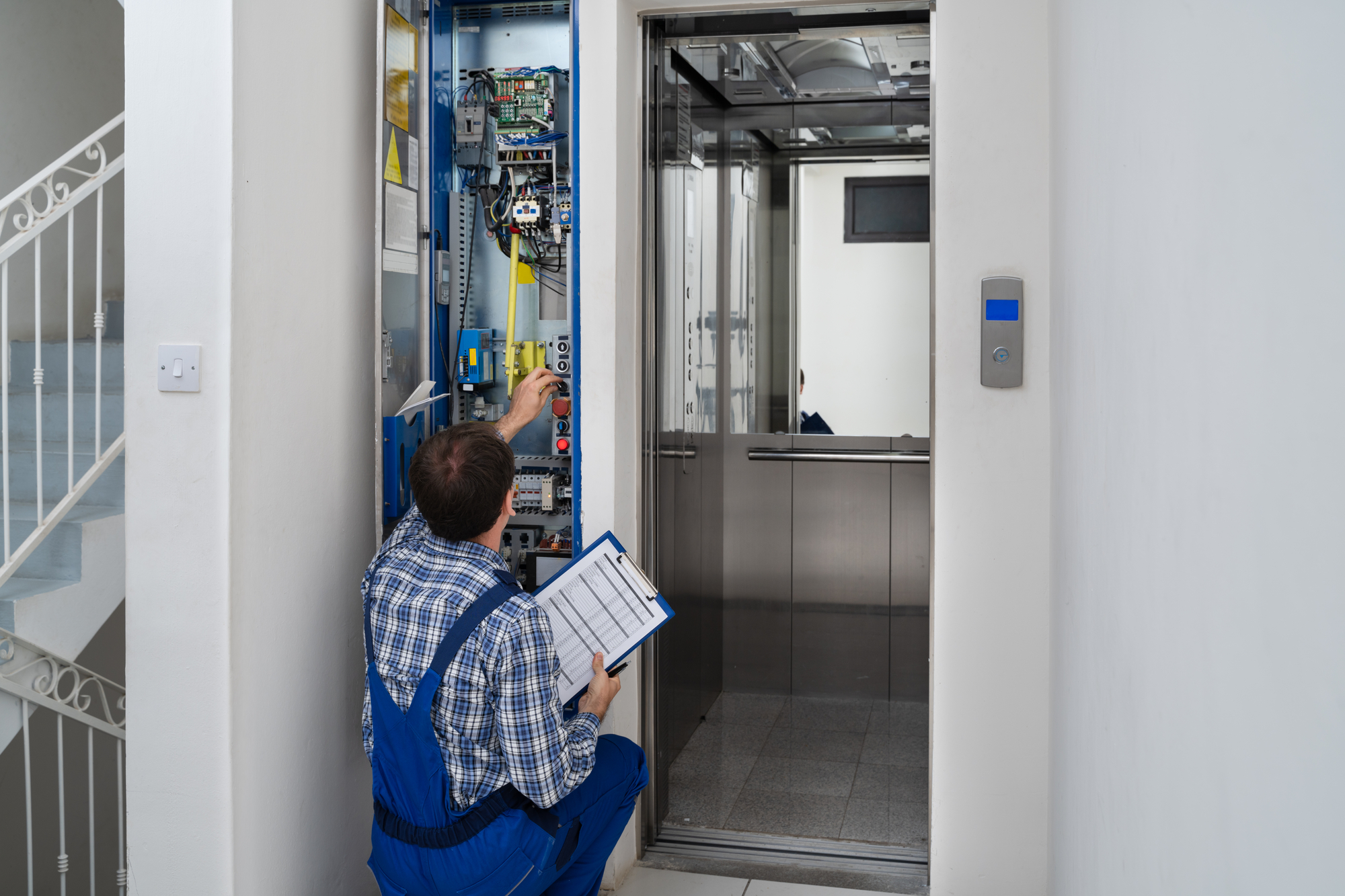
Understanding Commercial Elevator Inspections Get An Inspection Quote

QEI Frequently Asked Questions (old) Qualified Elevator Inspector

QEI (Qualified Elevator Inspector) Test Preparation Guide

NAEC Qualified Elevator Inspector (QEI™) Credly
TRAINING ONLINE ELEVATORS SAFETY INSPECTION MAINTENANCE

Qualified Elevator Inspector Training & Certification Program

Certified Elevator Inspector Online Course & Certification CDG
Qualified Elevator Inspector Training Fund (QEITF)
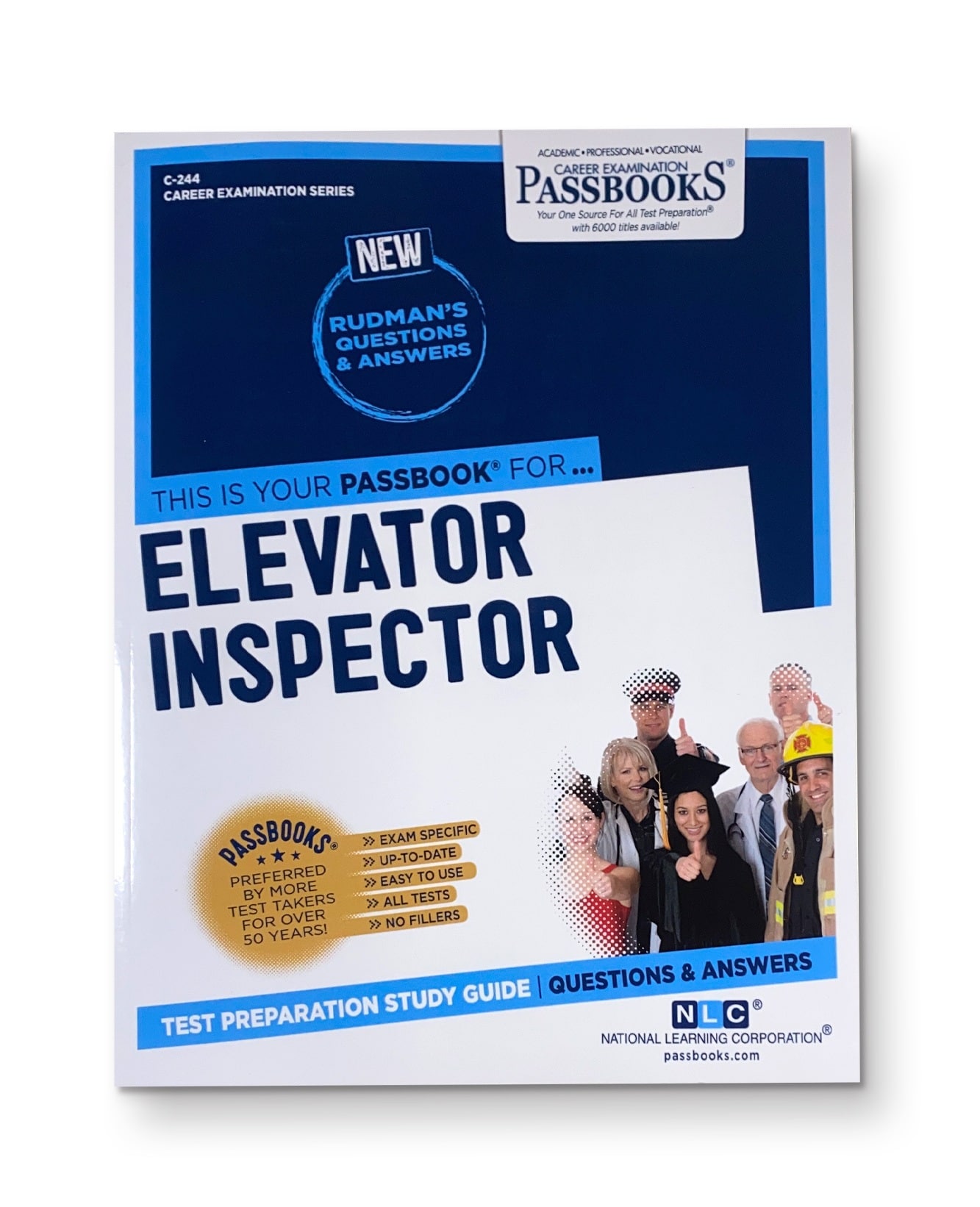
Elevator Inspector Passbook Elevator Books
How To Secure A Job As An Elevator Inspector.
Become A Certified Elevator Inspector And Advance Your Career In Safety And Compliance.
Providing Qei Certification (Qualified Elevator Inspector) Training And Testing Join Naesa!
Enroll In Cdg's Certified Elevator Inspector Course To Enhance Your Skills And Knowledge In Elevator Safety And Inspection.
Related Post: